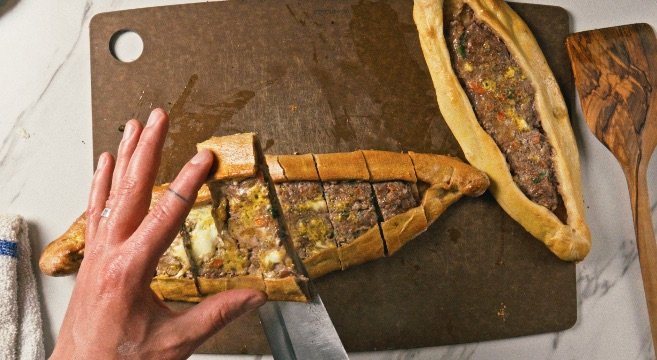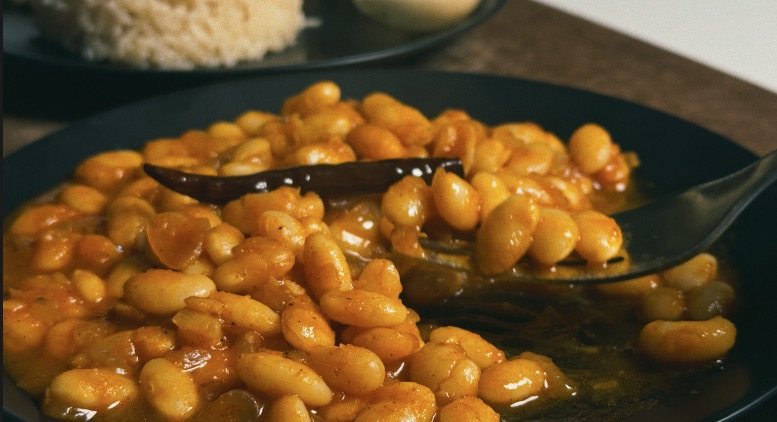
This Tantuni recipe is one of the most iconic Turkish street foods you will ever taste — and I promise once you make it at home you will be completely hooked. Tantuni is a spiced meat wrap from Mersin, Turkey, filled with thinly sliced beef, fresh herbs, tomatoes and a bright citrus salad, all rolled up in a soft homemade lavash. It is bold, fresh, satisfying and absolutely delicious.
What makes this Tantuni recipe special is the combination of the juicy spiced meat soaking into the warm lavash, paired with that fresh herb and citrus salad. It is street food at its finest — and we are making everything from scratch including the lavash bread.
What is Tantuni?
Tantuni is a traditional Turkish street food wrap originating from Mersin on the southern coast of Turkey. Thinly sliced beef is cooked with simple spices on a hot iron skillet, then wrapped in soft lavash bread with a fresh herb and citrus salad. It is one of Turkey’s most beloved street foods and has been gaining international recognition for good reason. This Tantuni recipe brings that authentic Mersin street food experience straight to your kitchen.
Why You’ll Love This Tantuni Recipe
- Authentic Turkish street food made at home
- Homemade lavash is easier than you think and tastes incredible
- The citrus herb salad is bright, fresh and unlike anything in other wraps
- Ready in under 45 minutes
- Perfect for meal prep — lavash keeps in the freezer for 6 months
- Naturally dairy free — ghee is optional
Tantuni (Turkish Street Food Wrap)
Cuisine: Turkish4
servings45
minutes15
minutesIngredients
- For the meat:
1 lb flank steak, thinly sliced
1 tsp red pepper flakes
1 tsp paprika
1 tsp cumin
Salt to taste
Ghee butter (optional, adds richness)
- For the herb and citrus salad
1 medium onion, thinly sliced
2 medium tomatoes, diced
Fresh mint, chopped
Fresh basil, chopped
Fresh parsley, chopped
Juice of 1/2 lemon
Juice of 1/2 orange
Red chili flakes to taste
Salt to taste
- For the homemade lavash
6 cups all purpose flour
2 cups water
1 tbsp olive oil
1 tsp salt
1 tsp yeast (optional — adds a slightly softer, fluffier texture)
Directions
- PART 1 — Make the Lavas
- Make the dough Add the flour, salt and yeast (if using) to a large bowl. Pour in the water and olive oil. Mix everything together for about 5 minutes until a rough dough forms.
- Knead the dough Transfer the dough to a lightly floured surface and knead for about 10 minutes until smooth, elastic and slightly firm. Cover with cling film and let it rest for 10 minutes.
- Divide and cover Divide the dough into small equal portions — roughly the size of a golf ball. Place them on a tray and cover with a clean kitchen towel to prevent them from drying out.
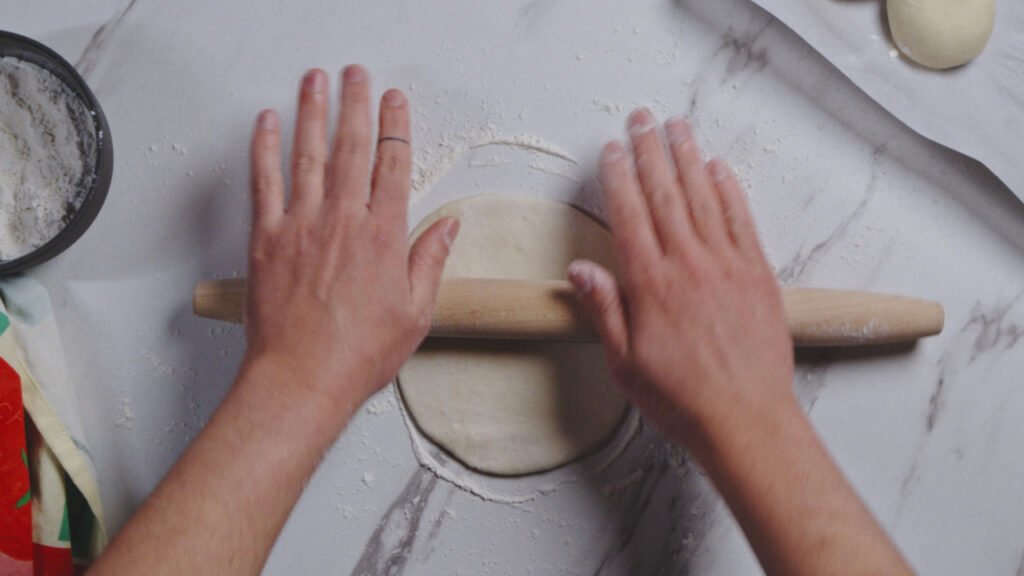
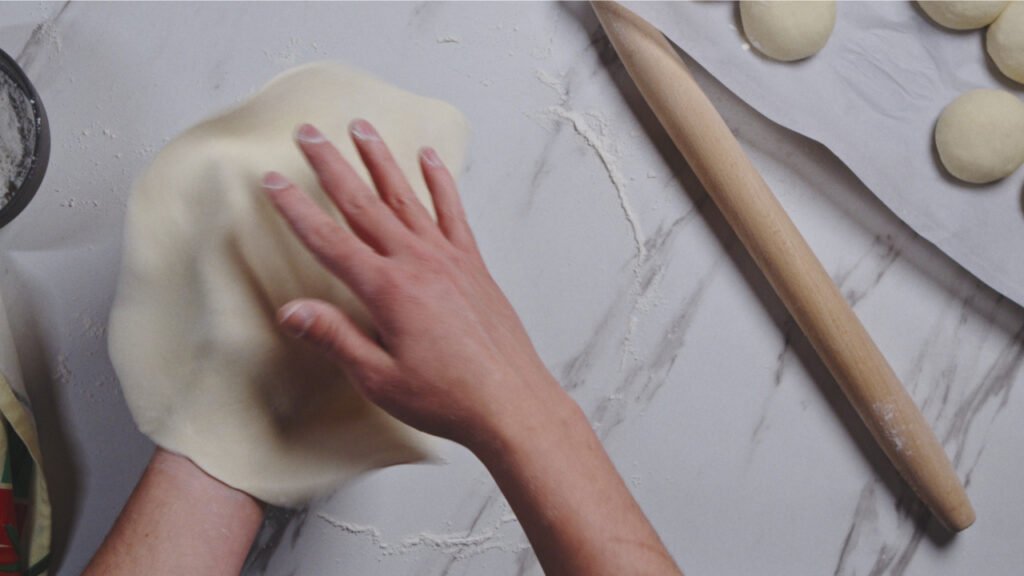
- Roll the lavash Using a rolling pin, roll each portion as thin and even as possible — almost transparent but not tearing. Aim for roughly the size of your pan.
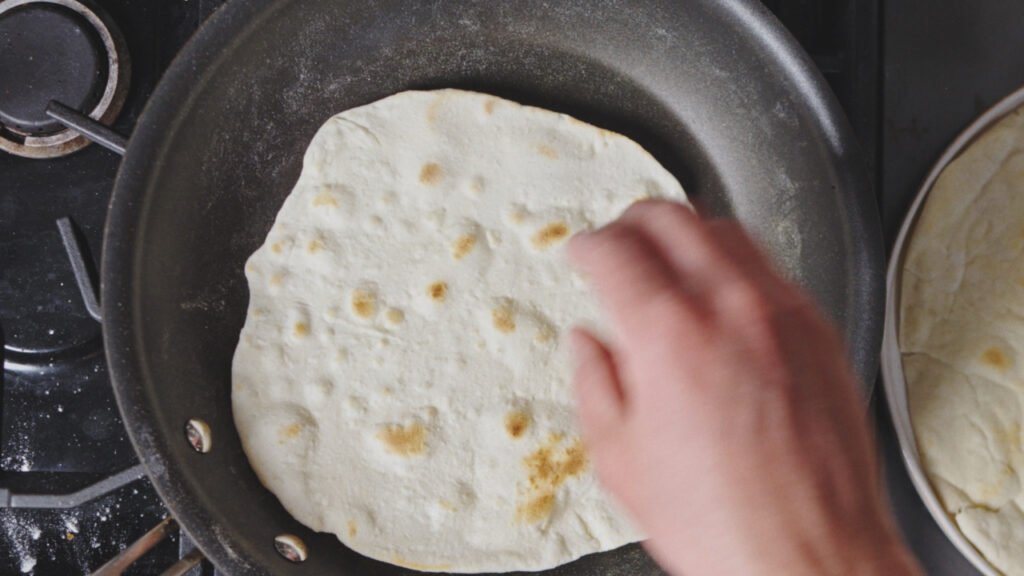
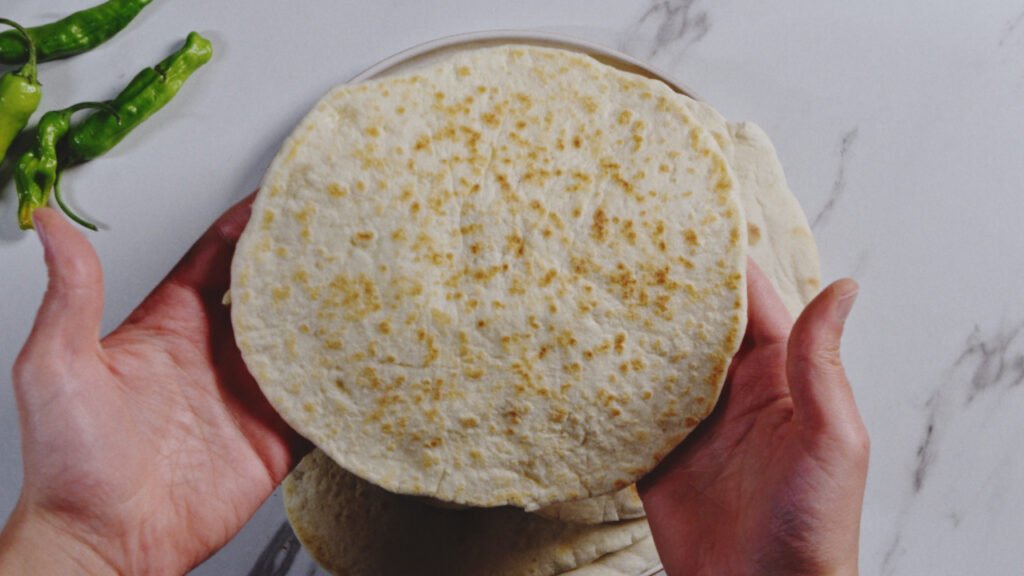
- Cook the lavash Heat your largest non-stick pan over medium heat — no oil needed. Place the rolled lavash in the dry pan and cook until bubbles start forming on the surface, about 1–2 minutes per side. Repeat for each piece. Stack the cooked lavash under a clean towel to keep them soft and pliable.
- Storage tip: Lavash keeps in the fridge for up to 3 days. For longer storage freeze them for up to 6 months. Reheat directly in a dry non-stick pan until soft — they come back to life like they were freshly made.
- Make the Herb and Citrus Salad
- Prep the herbs Finely chop the parsley, basil and mint.
- Prep the vegetables Dice the tomatoes into small cubes and thinly slice the onion.
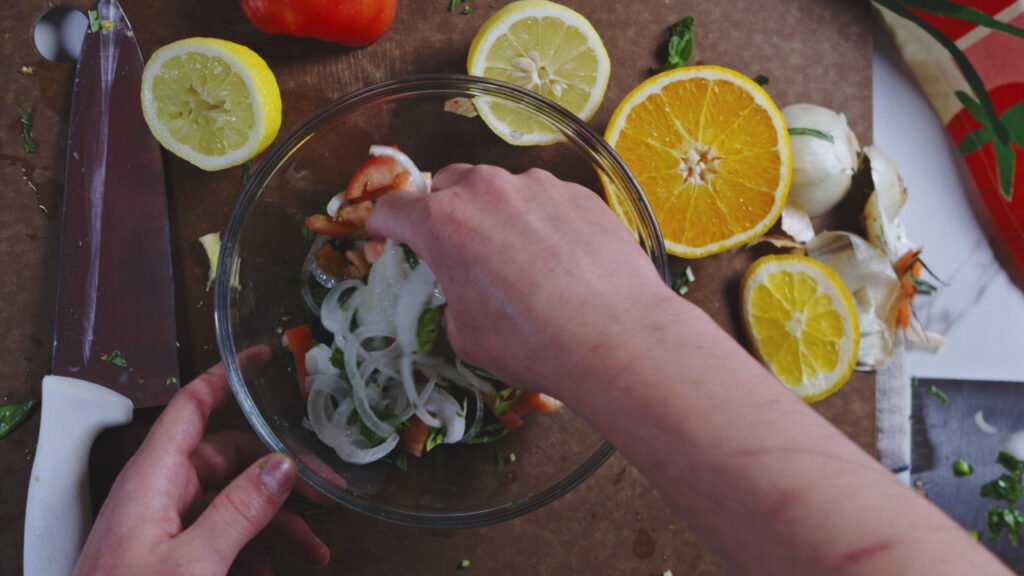
- Dress the salad Combine everything in a bowl. Squeeze in the lemon juice and orange juice, add red chili flakes and salt to taste. Toss well and set aside. The citrus juice will slightly soften the onion and bring everything together beautifully.
- Cook the Meat
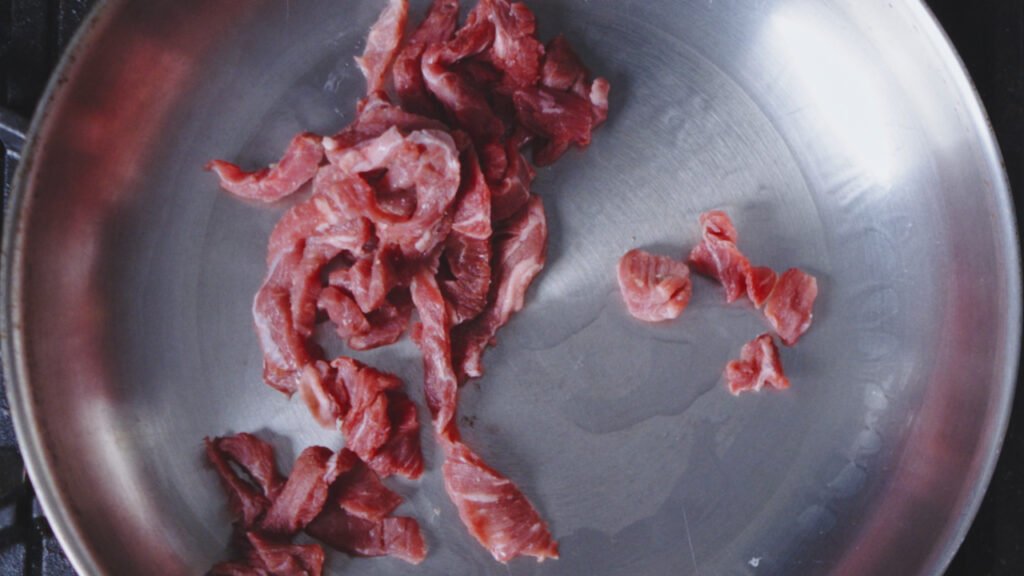
- Slice the steak Slice your flank steak as thin as possible. If you find it difficult to slice thinly, place the steak in the freezer for 20 minutes first — it firms up and makes thin slicing much easier.
- Heat the pan Heat a stainless steel pan or cast iron skillet over medium-high heat. A good hot pan is essential for this Tantuni recipe — you want a fast, high heat cook not a slow steam.
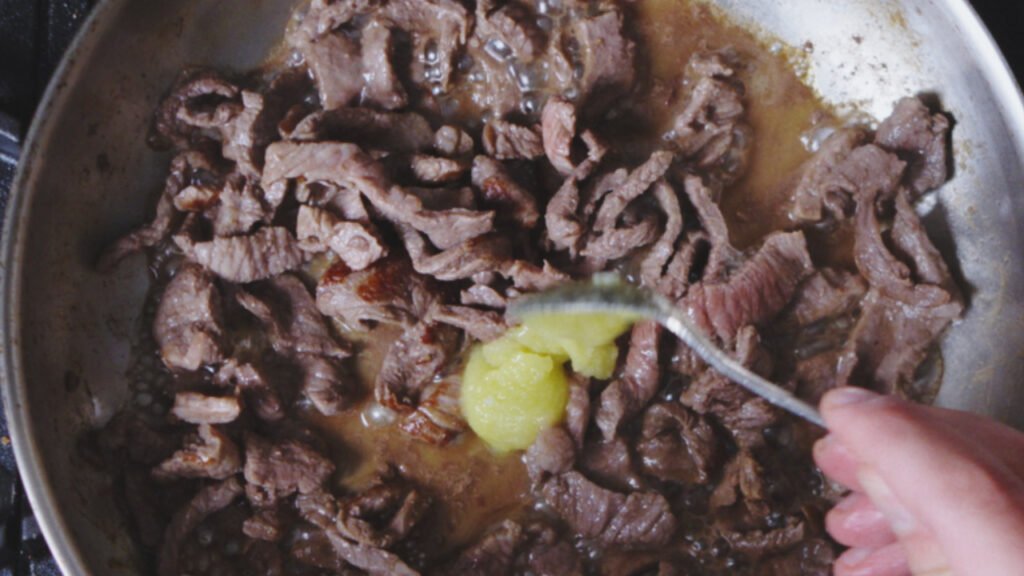
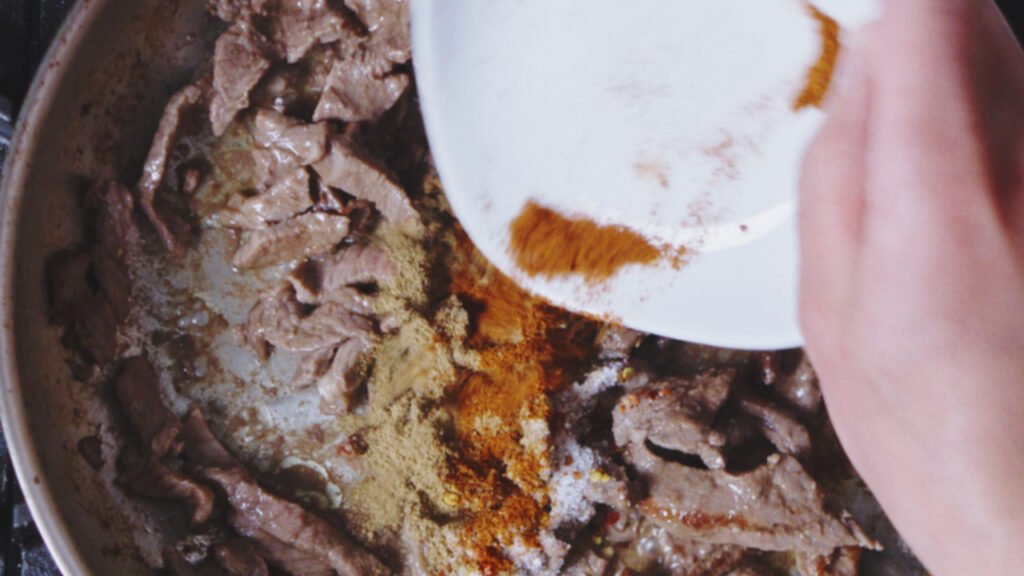
- Cook the meat Add the meat to the hot pan and leave it for 2 minutes without touching it — let it sear. Then stir and add your seasoning — red pepper flakes, paprika, cumin and salt. If using ghee add it now for extra richness. Cook for a maximum of 3 minutes total — you want the meat juicy and tender, not overcooked and dry.
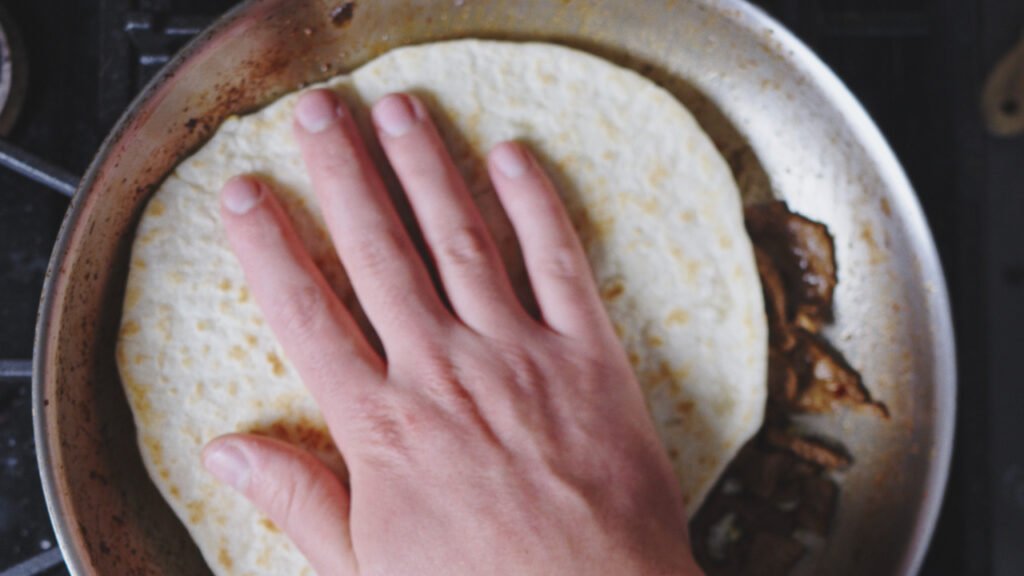
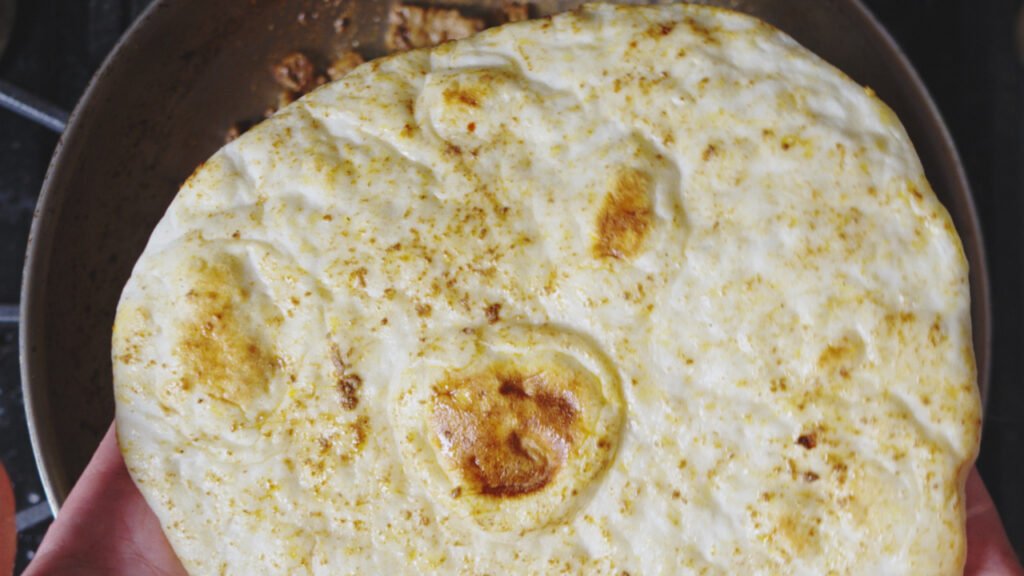
- Soak the lavash This is the secret step that makes Tantuni so special. Take one lavash and lay it directly on top of the meat in the pan. Press down gently and let it sit for 10–30 seconds, soaking up all the meat juices and flavors from the pan. This is what gives Tantuni that incredible depth of flavor.
- Assemble the Tantuni
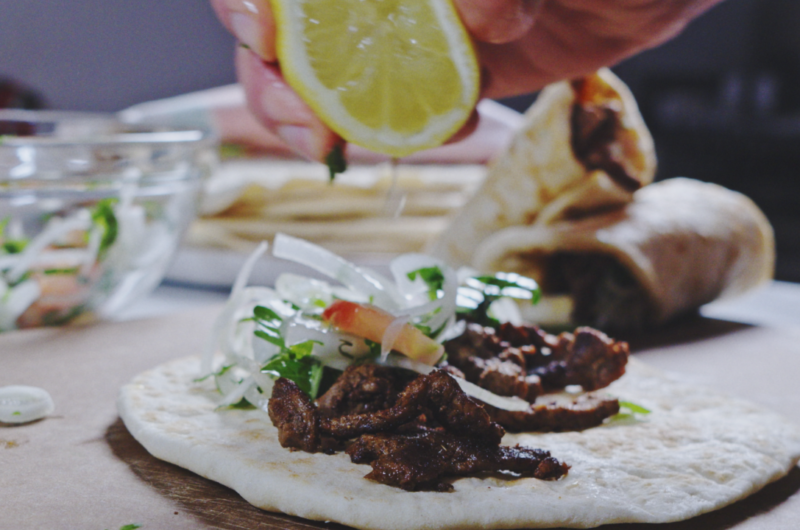
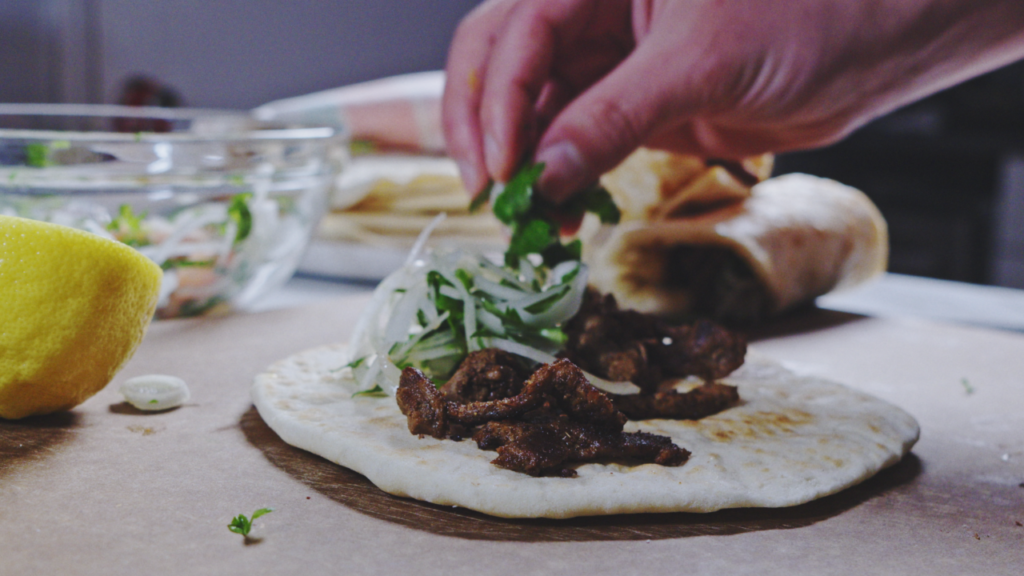
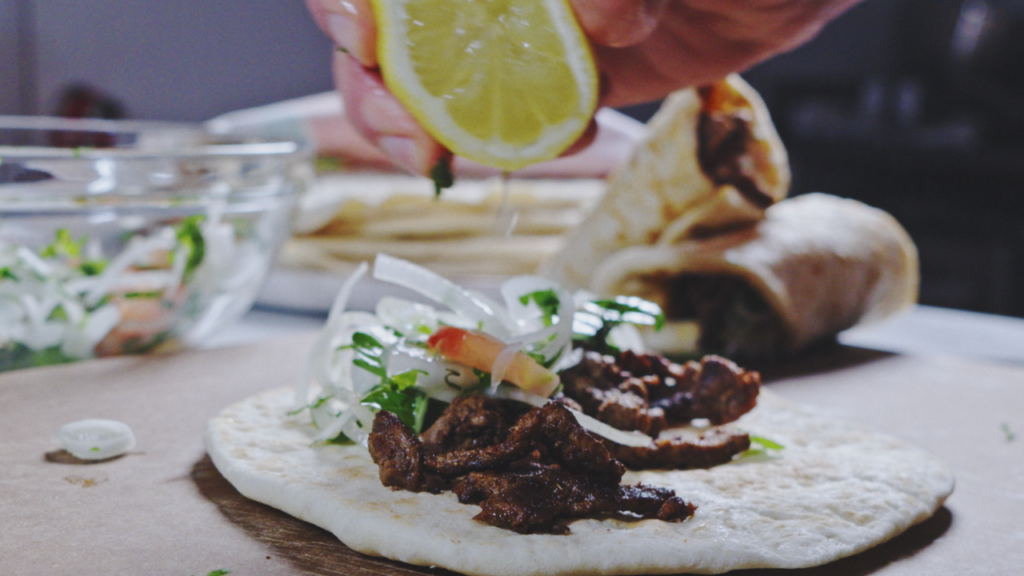
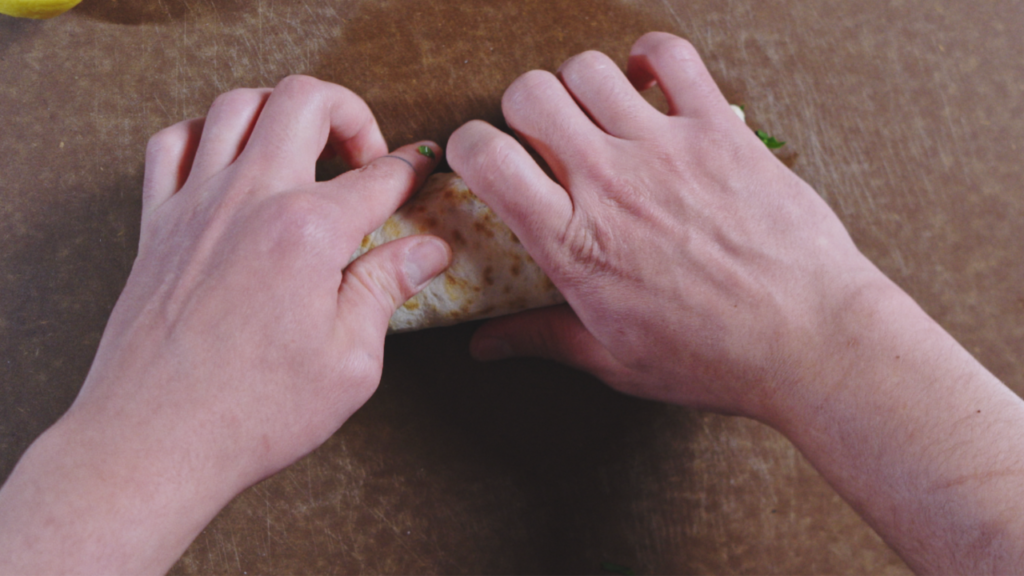
- Fill and roll Lay the warm lavash flat. Place the meat down the center and add a generous amount of the herb and citrus salad right alongside it. Squeeze extra lemon juice over if you like. Roll as tightly as possible — the bigger your lavash the easier this is.
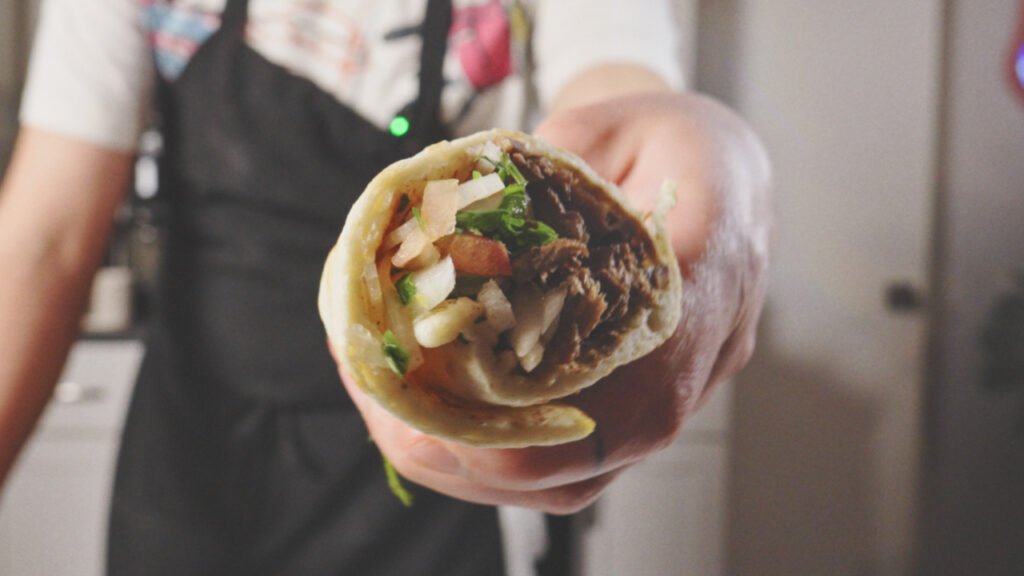
- Cut and serve Cut the wrap in the middle at an angle and serve immediately with extra lemon wedges, pickles and a glass of cold Ayran (Turkish yogurt drink) on the side. This is the authentic Mersin way to eat Tantuni and honestly the perfect combination. Afiyet olsun! 🍽️
Recipe Video
Notes
- Slice the meat as thin as possible. This is the most important step. Thin slices cook fast, stay juicy and absorb the spices perfectly. Freeze the steak for 20 minutes before slicing for best results
- Don’t overcook the meat. Three minutes maximum. Tantuni is all about juicy, tender meat — overcooking dries it out completely.
- The lavash soaking step is non-negotiable. Pressing the lavash into the meat juices at the end of cooking is what separates a good Tantuni from an incredible one. Don’t skip it.
- Make the lavash bigger than your pan if possible. The larger the lavash the easier it is to roll tightly. Use the biggest pan you have.
- The orange juice in the salad is the secret. It might sound unusual but the combination of lemon and orange juice with the fresh herbs and spiced meat is what makes Tantuni so unique and addictive.
- How to Serve Tantuni
The authentic Mersin way to serve this Tantuni recipe:
Extra lemon wedges on the side — squeeze generously
Pickles — the acidity cuts through the richness of the meat perfectly
Ayran — cold Turkish yogurt drink, the classic pairing with Tantuni
Extra red chili flakes for heat lovers
How to Make This Tantuni Recipe
PART 1 — Make the Lavash
1. Make the dough Add the flour, salt and yeast (if using) to a large bowl. Pour in the water and olive oil. Mix everything together for about 5 minutes until a rough dough forms.
2. Knead the dough Transfer the dough to a lightly floured surface and knead for about 10 minutes until smooth, elastic and slightly firm. Cover with cling film and let it rest for 10 minutes.
3. Divide and cover Divide the dough into small equal portions — roughly the size of a golf ball. Place them on a tray and cover with a clean kitchen towel to prevent them from drying out.
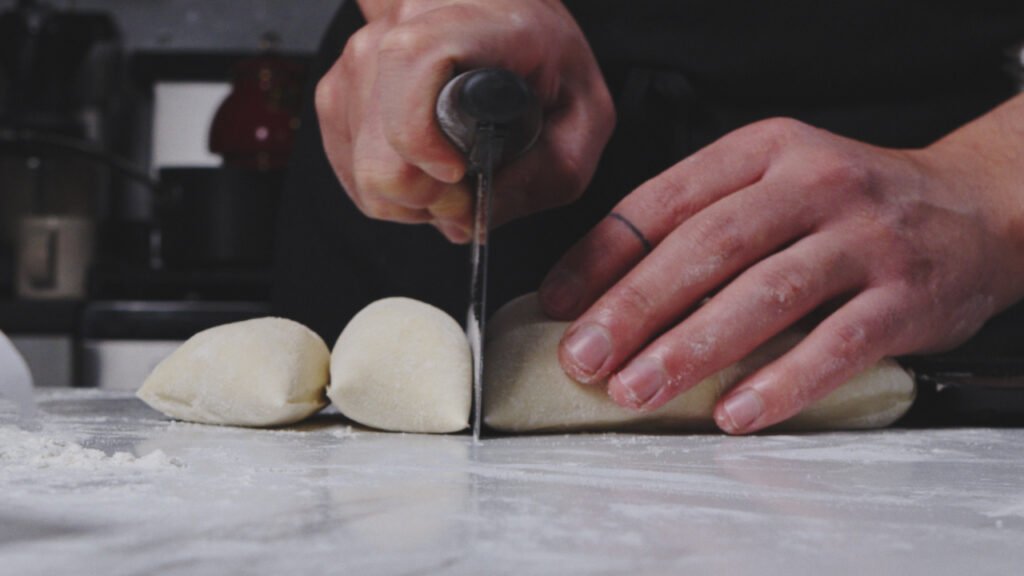
4. Roll the lavash Using a rolling pin, roll each portion as thin and even as possible — almost transparent but not tearing. Aim for roughly the size of your pan.
5. Cook the lavash Heat your largest non-stick pan over medium heat — no oil needed. Place the rolled lavash in the dry pan and cook until bubbles start forming on the surface, about 1–2 minutes per side. Repeat for each piece. Stack the cooked lavash under a clean towel to keep them soft and pliable.
Storage tip: Lavash keeps in the fridge for up to 3 days. For longer storage freeze them for up to 6 months. Reheat directly in a dry non-stick pan until soft — they come back to life like they were freshly made.
PART 2 — Make the Herb and Citrus Salad
1. Prep the herbs Finely chop the parsley, basil and mint.
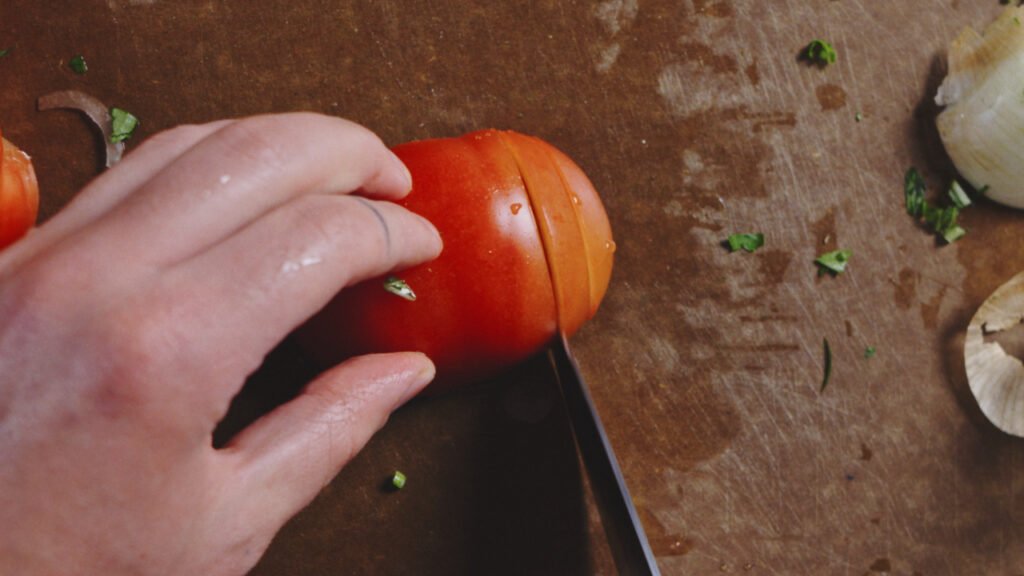
2. Prep the vegetables Dice the tomatoes into small cubes and thinly slice the onion.
3. Dress the salad Combine everything in a bowl. Squeeze in the lemon juice and orange juice, add red chili flakes and salt to taste. Toss well and set aside. The citrus juice will slightly soften the onion and bring everything together beautifully.
PART 3 — Cook the Meat
1. Slice the steak Slice your flank steak as thin as possible. If you find it difficult to slice thinly, place the steak in the freezer for 20 minutes first — it firms up and makes thin slicing much easier.
2. Heat the pan Heat a stainless steel pan or cast iron skillet over medium-high heat. A good hot pan is essential for this Tantuni recipe — you want a fast, high heat cook not a slow steam.
3. Cook the meat Add the meat to the hot pan and leave it for 2 minutes without touching it — let it sear. Then stir and add your seasoning — red pepper flakes, paprika, cumin and salt. If using ghee add it now for extra richness. Cook for a maximum of 3 minutes total — you want the meat juicy and tender, not overcooked and dry.
4. Soak the lavash This is the secret step that makes Tantuni so special. Take one lavash and lay it directly on top of the meat in the pan. Press down gently and let it sit for 10–30 seconds, soaking up all the meat juices and flavors from the pan. This is what gives Tantuni that incredible depth of flavor.
PART 4 — Assemble the Tantuni
1. Fill and roll Lay the warm lavash flat. Place the meat down the center and add a generous amount of the herb and citrus salad right alongside it. Squeeze extra lemon juice over if you like. Roll as tightly as possible — the bigger your lavash the easier this is.
2. Cut and serve Cut the wrap in the middle at an angle and serve immediately with extra lemon wedges, pickles and a glass of cold Ayran (Turkish yogurt drink) on the side. This is the authentic Mersin way to eat Tantuni and honestly the perfect combination.
Afiyet olsun! 🍽️
Tips for the Best Tantuni Recipe
Slice the meat as thin as possible. This is the most important step. Thin slices cook fast, stay juicy and absorb the spices perfectly. Freeze the steak for 20 minutes before slicing for best results.
Don’t overcook the meat. Three minutes maximum. Tantuni is all about juicy, tender meat — overcooking dries it out completely.
The lavash soaking step is non-negotiable. Pressing the lavash into the meat juices at the end of cooking is what separates a good Tantuni from an incredible one. Don’t skip it.
Make the lavash bigger than your pan if possible. The larger the lavash the easier it is to roll tightly. Use the biggest pan you have.
The orange juice in the salad is the secret. It might sound unusual but the combination of lemon and orange juice with the fresh herbs and spiced meat is what makes Tantuni so unique and addictive.
How to Serve Tantuni
- Extra lemon wedges on the side — squeeze generously
- Pickles — the acidity cuts through the richness of the meat perfectly
- Ayran — cold Turkish yogurt drink, the classic pairing with Tantuni
Extra red chili flakes for heat lovers