
Homemade Turkish Yogurt Recipe (Ev Yapımı Yoğurt)
This homemade Turkish yogurt recipe will change the way you think about yogurt forever. Once you make it at home for the first time, store-bought yogurt simply won’t feel the same. Thicker, creamier, fresher and so much more satisfying — and the best part is you only need two ingredients to make it.
Growing up in Turkey, homemade yogurt was completely normal. Almost every Turkish household made their own yogurt at home, and the difference in taste compared to anything you find in a supermarket is remarkable. This homemade Turkish yogurt recipe is my way of bringing that tradition to your kitchen — wherever you are in the world.

Homemade Turkish Yogurt Recipe (Ev Yapımı Yoğurt)
Ingredients
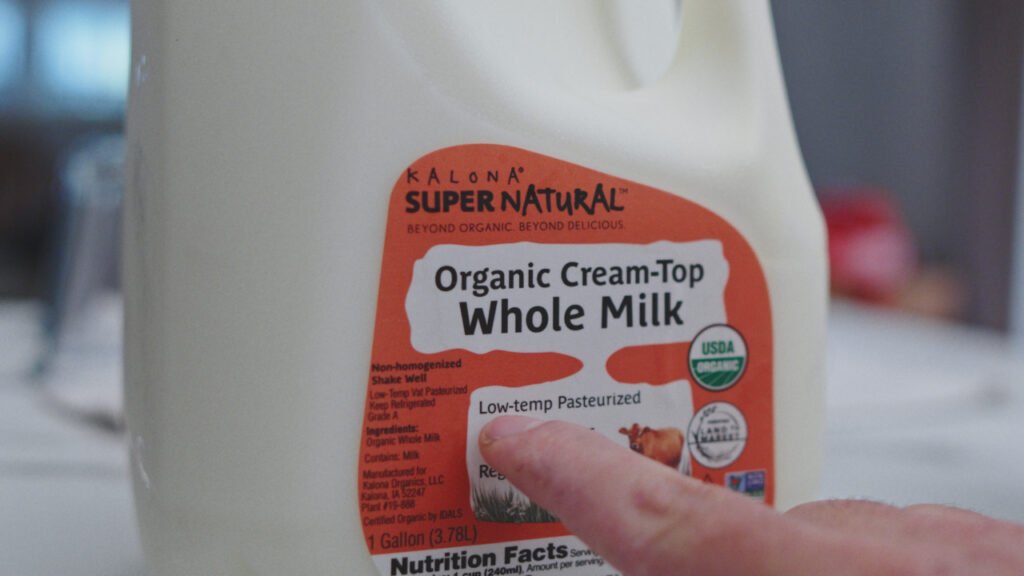
1 gallon (3.8 litres) good quality whole milk – low pasteurised
3 tablespoons plain yogurt with active live cultures (this is your starter — check the label)
Directions
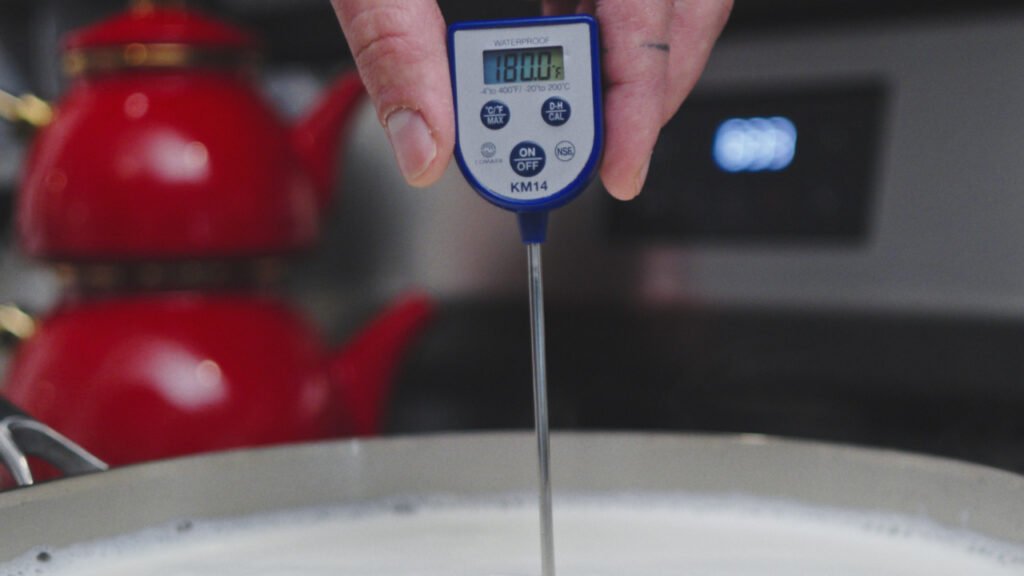
- Heat the milk Pour the whole milk into a large pot and heat slowly over low heat until it reaches 180°F (82°C). Do not let it boil — just bring it to this temperature and then turn off the heat. This step pasteurizes the milk and changes the protein structure, giving you a thicker final yogurt.
- Cool the milk Let the milk cool down until it reaches between 110°F and 120°F (43°C–49°C). This step is critical for this homemade Turkish yogurt recipe — if the milk is too hot it will kill the live cultures and your yogurt won’t set. If it is too cold the fermentation won’t activate properly. Use a thermometer for best results.
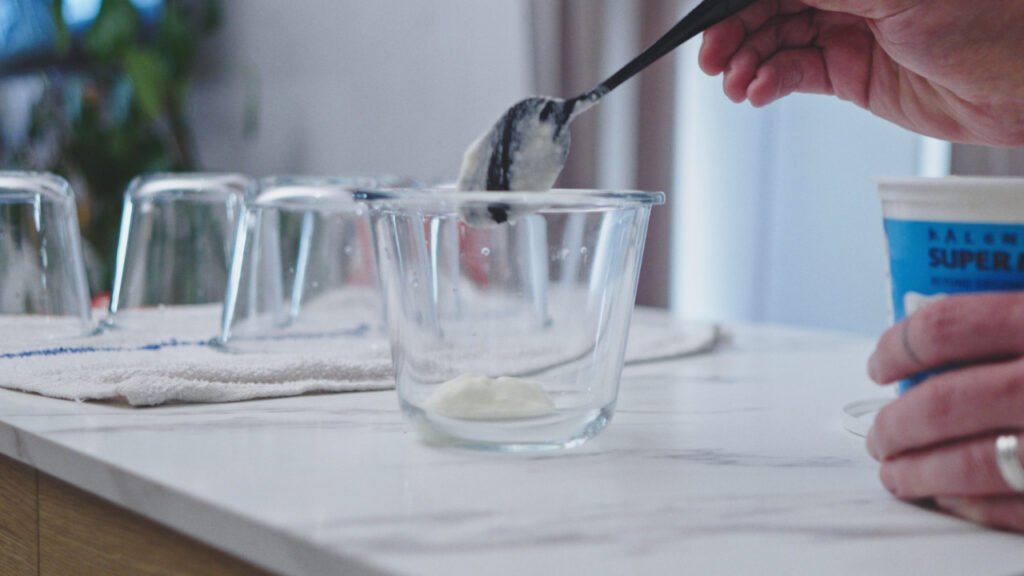
- Temper the yogurt Once your milk has reached 110–120°F, take your 3 tablespoons of yogurt starter and place them in a separate small cup. Add a few tablespoons of the warm milk to the yogurt and stir together until smooth. This is called tempering — it gradually brings the yogurt starter up to temperature so it blends into the milk evenly without any lumps or shocking the cultures.
- Combine Slowly pour the tempered yogurt mixture back into the pot of warm milk. Stir gently and evenly to distribute the cultures throughout the milk.
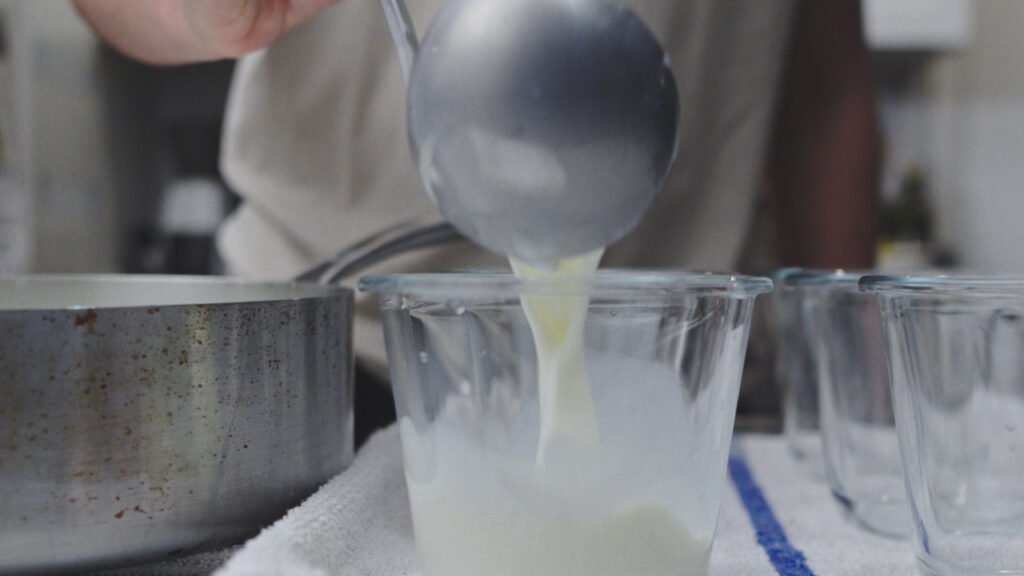
- Pour into jars Pour the mixture into clean glass jars. Get air tight jars!
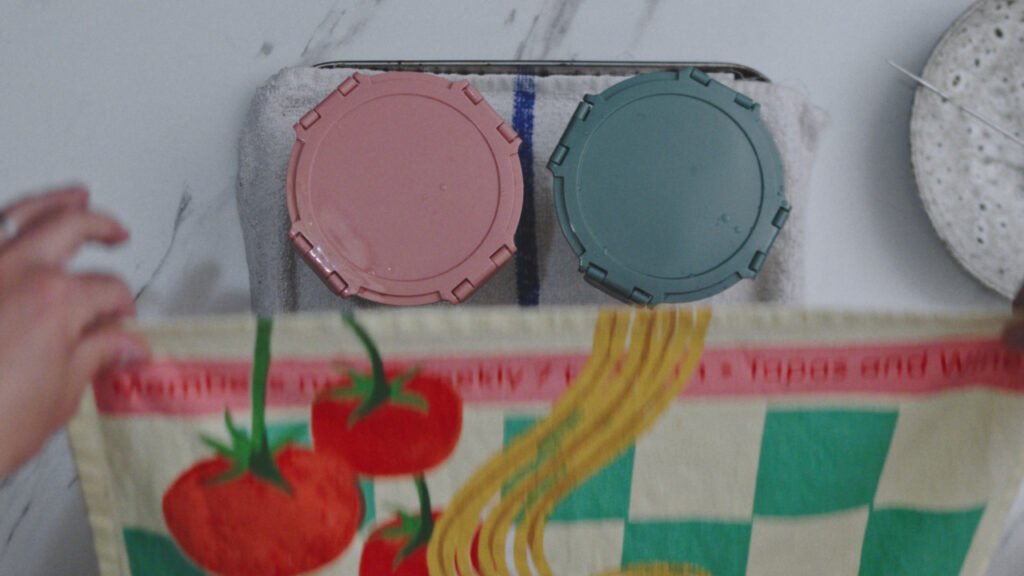
- Ferment in the oven Place the jars in your oven with only the oven light on — do not turn the oven on. The light provides just enough gentle warmth to activate the fermentation. Leave the jars completely undisturbed for at least 4 hours — but 8 hours gives you the best thick, creamy result. Do not open the oven or move the jars during this time.
- Refrigerate After fermentation, carefully move the jars to the refrigerator. Let the yogurt set in the fridge for at least 12 hours before eating. This final chilling step firms up the yogurt and develops the flavor fully.
- Enjoy Your fresh homemade Turkish yogurt is ready. Eat it plain, drizzle with honey, serve alongside your favorite Turkish dishes, or use it as a base for cacık and yogurt sauces. Afiyet olsun! 🍽️
Recipe Video
Notes
- Tips for the Best Homemade Turkish Yogurt Recipe
Use good quality whole milk. The higher the fat content the thicker and creamier your yogurt will be. Full fat whole milk gives the best results — don’t substitute with low fat or skimmed milk.
Your starter yogurt must have active live cultures. Check the label before buying. Without live active cultures the fermentation simply won’t happen and your yogurt won’t set. Any plain yogurt with active cultures works — even store bought.
How to Make This Homemade Turkish Yogurt Recipe
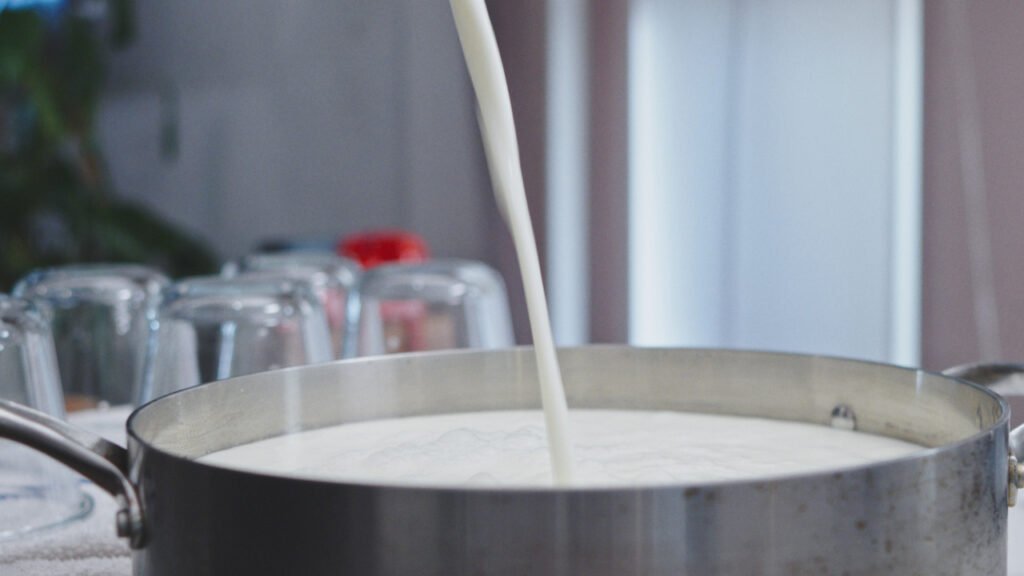
1. Heat the milk Pour the whole milk into a large pot and heat slowly over low heat until it reaches 180°F (82°C). Do not let it boil — just bring it to this temperature and then turn off the heat. This step pasteurizes the milk and changes the protein structure, giving you a thicker final yogurt.
2. Cool the milk Let the milk cool down until it reaches between 110°F and 120°F (43°C–49°C). This step is critical for this homemade Turkish yogurt recipe — if the milk is too hot it will kill the live cultures and your yogurt won’t set. If it is too cold the fermentation won’t activate properly. Use a thermometer for best results.
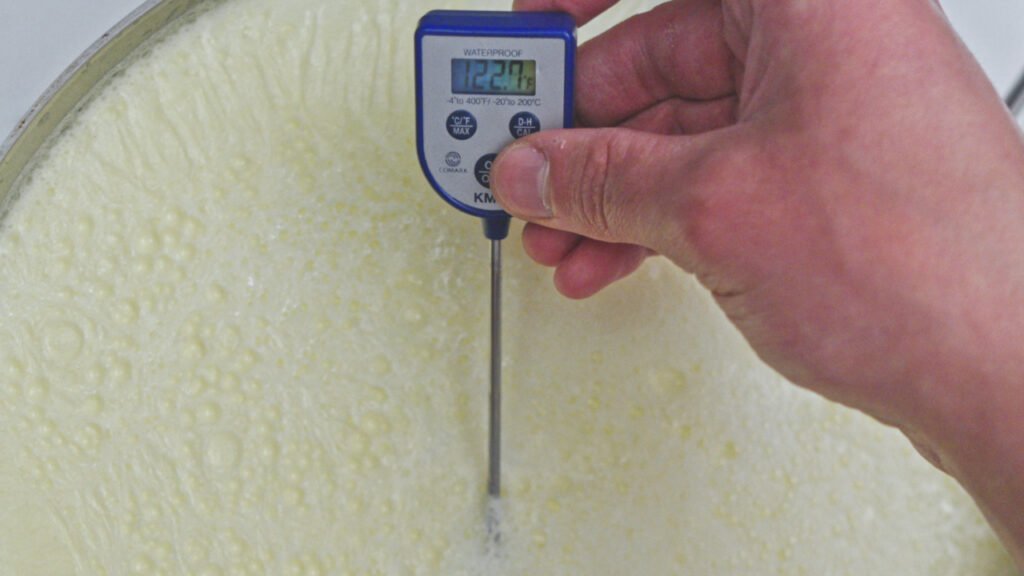
3. Temper the yogurt Once your milk has reached 110–120°F, take your 3 tablespoons of yogurt starter and place them in a separate small cup. Add a few tablespoons of the warm milk to the yogurt and stir together until smooth. This is called tempering — it gradually brings the yogurt starter up to temperature so it blends into the milk evenly without any lumps or shocking the cultures.
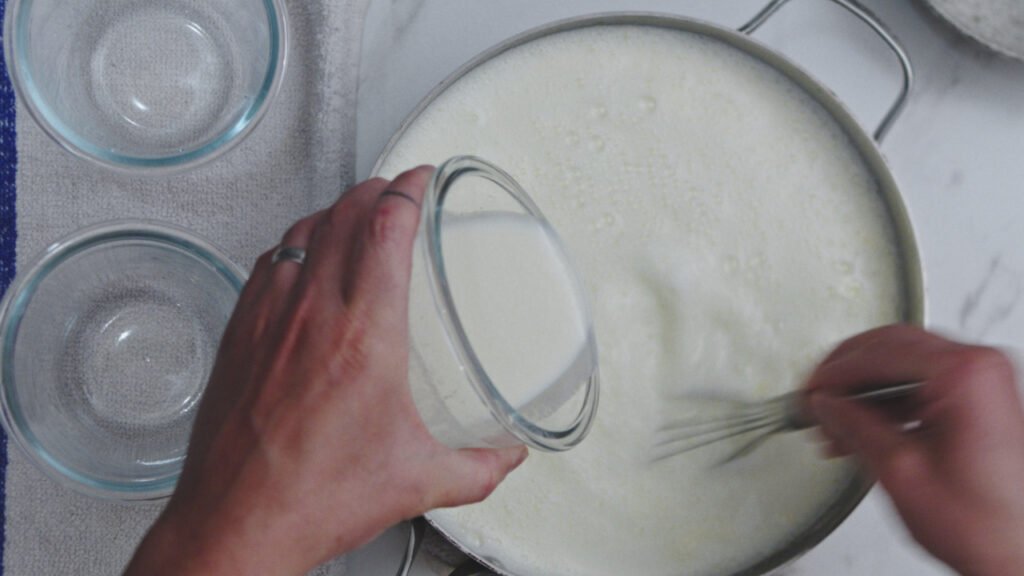
4. Combine Slowly pour the tempered yogurt mixture back into the pot of warm milk. Stir gently and evenly to distribute the cultures throughout the milk.
5. Pour into jars Pour the mixture into clean glass jars. Mason jars work perfectly for this.
6. Ferment in the oven Place the jars in your oven with only the oven light on — do not turn the oven on. The light provides just enough gentle warmth to activate the fermentation. Leave the jars completely undisturbed for at least 4 hours — but 8 hours gives you the best thick, creamy result. Do not open the oven or move the jars during this time.
7. Refrigerate After fermentation, carefully move the jars to the refrigerator. Let the yogurt set in the fridge for at least 12 hours before eating. This final chilling step firms up the yogurt and develops the flavor fully.
8. Enjoy Your fresh homemade Turkish yogurt is ready. Eat it plain, drizzle with honey, serve alongside your favorite Turkish dishes, or use it as a base for cacık and yogurt sauces. Afiyet olsun! 🍽️

Tips for the Best Homemade Turkish Yogurt Recipe
Use good quality whole milk. The higher the fat content the thicker and creamier your yogurt will be. Full fat whole milk gives the best results — don’t substitute with low fat or skimmed milk.
Your starter yogurt must have active live cultures. Check the label before buying. Without live active cultures the fermentation simply won’t happen and your yogurt won’t set. Any plain yogurt with active cultures works — even store bought.
Use a thermometer. Temperature is everything in this homemade Turkish yogurt recipe. Getting it right makes the difference between perfect creamy yogurt and a jar of warm milk.
Don’t disturb the jars during fermentation. Moving or shaking the jars during the 4–8 hour fermentation period can break the setting process. Leave them completely still.
Save some for next time. Once you have your homemade yogurt, save 3 tablespoons in the fridge to use as your starter for the next batch. Your yogurt keeps giving!