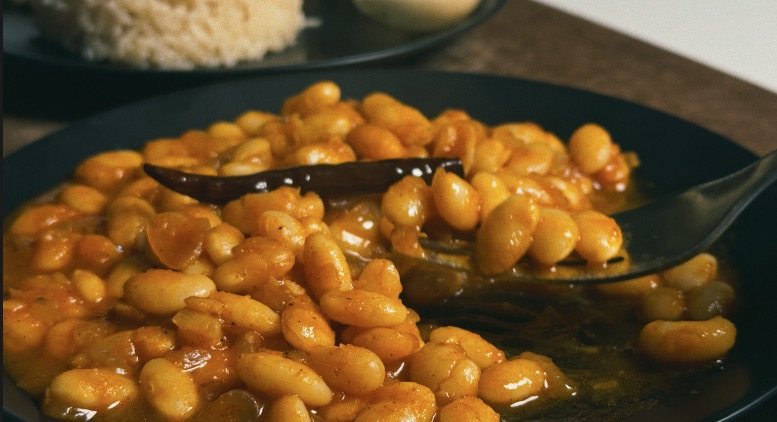
Kuru Fasulye is one of the most beloved classic dishes in Turkey. Almost every home cook has their own version of this recipe, and it has been a staple on Turkish tables for generations. It’s affordable, incredibly easy to make, and absolutely delicious.
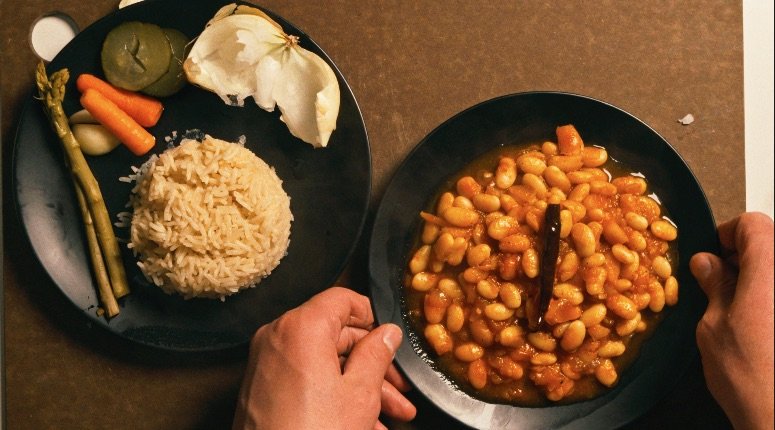
This hearty bean stew goes perfectly with buttery rice and pickles on the side — and if you’re feeling creative, it even works as a Turkish-inspired burrito bowl! Growing up, my mom made this dish almost every week, and I still cook it regularly to this day. Simple, comforting, and full of flavor. Let me show you how to make the best Kuru Fasulye you’ve ever tasted.
Why You’ll Love This Kuru Fasulye Recipe
There are so many reasons to make this Kuru Fasulye recipe your new weeknight staple:
- It is budget-friendly — beans are one of the most affordable ingredients you can cook with
- It is easy to make — no complicated techniques, just simple steps anyone can follow
- It gets better the next day — the flavors develop overnight and leftovers are even more delicious
- It is naturally protein-rich — beans are packed with plant-based protein and fiber
- It is versatile — serve it the traditional Turkish way or use it as a filling for a burrito bowl
What is Kuru Fasulye?
Kuru Fasulye literally means “dry beans” in Turkish. It is a slow-cooked bean stew made with white or pinto beans simmered in a rich tomato and pepper sauce. It is one of the most iconic dishes in Turkish cuisine and is traditionally served with buttery white rice (pilav) and pickles on the side. You will find this dish everywhere in Turkey — from home kitchens to traditional lokanta restaurants.
Kuru Fasulye (Turkish White Bean Stew)
Difficulty: Easy4
servings15
minutes1
hour10
minutes380
kcalIngredients
300g dried pinto beans (or similar white beans)
200g tomato paste
2 bell peppers (for homemade pepper paste)
1 litre vegetable stock (or chicken/beef stock)
2 large or 3 medium onions
3–4 tablespoons olive oil (add more if you prefer)
3 dried whole chili peppers (for medium spice — adjust to taste)
Salt and black pepper to taste
Directions
- Soak the beans The night before, place your dried beans in a large bowl and cover generously with cold water. Let them soak overnight so they soften and cook evenly.
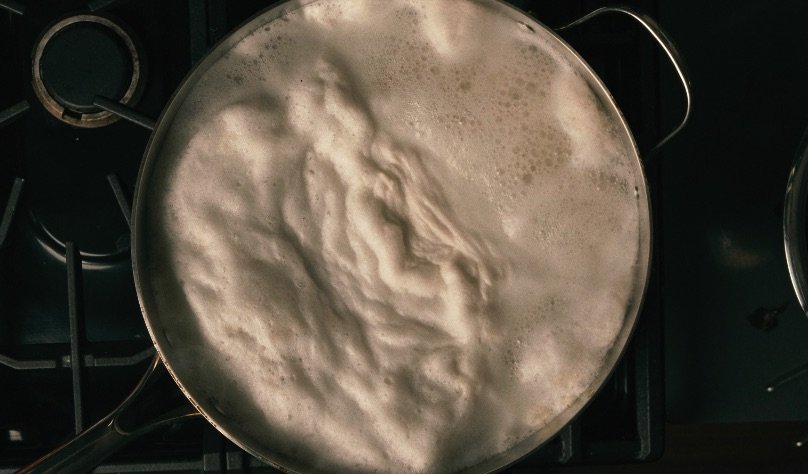
- Boil the beans The next day, drain and rinse the beans. Boil them in fresh water for 25–35 minutes, depending on the variety. Skim off any foam that rises to the top. You want the beans soft enough to eat but still holding their shape — not so soft that they turn mushy and soup-like.
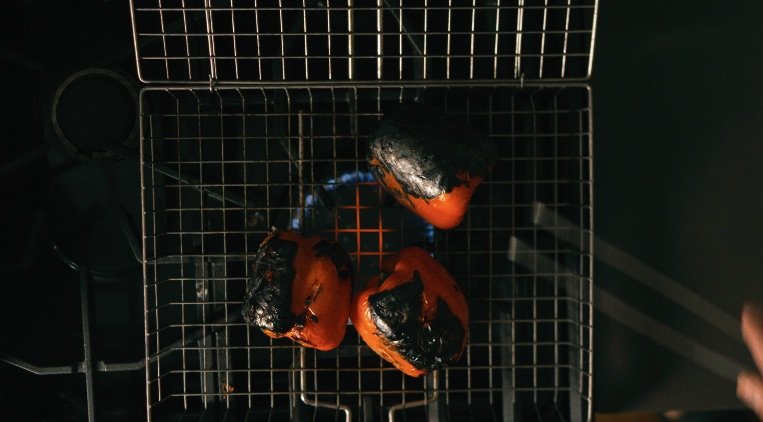
- Make your pepper paste (skip if using store-bought) Pepper paste can be hard to find in the US, so here’s my trick: char the bell peppers directly over a gas flame on your stove, turning them until the skin is blackened all over. You can also do this under the oven broiler. Once charred, transfer them to a bowl of ice water — this makes the skin easy to peel. Remove the skin and seeds.
- Blend the peppers Add the peeled peppers to a blender and blend until you get a smooth, rich paste. Set aside.
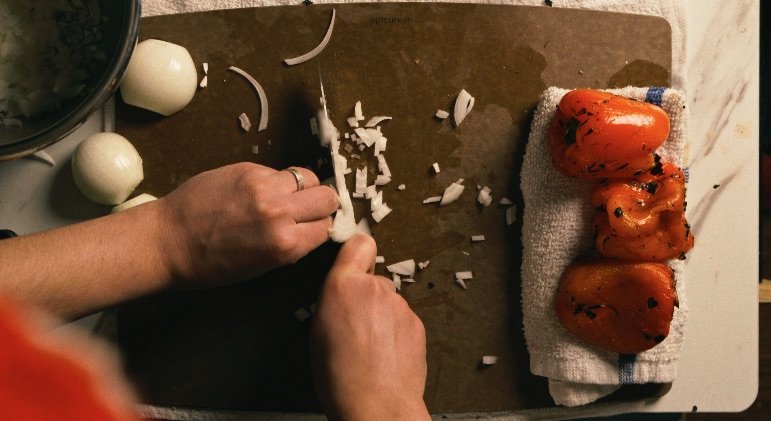
- Prepare the onions Dice your onions into small or medium pieces. Don’t be shy — this dish uses a lot of onion, and that’s what gives it its depth of flavor.
- Sauté the onions Heat a large pot over medium heat. Add the olive oil, then add the onions. Cook until soft and golden.
- Add the tomato paste Add the tomato paste and stir continuously for about 1 minute until it darkens slightly and becomes fragrant.
- Add the pepper paste Stir in your homemade pepper paste (or store-bought if you have it) and cook for another minute, mixing well.
- Add the beans Add your cooked, drained beans to the pot and give everything a good stir to coat the beans in the sauce.
- Add the stock Pour in 1 litre of vegetable stock (or chicken/beef stock if you prefer). Stir gently to combine.
- Add the dried chili peppers Drop in your whole dried chili peppers. Three peppers gives a nice medium heat — add more if you like it spicier, or leave them out for a mild version.
- Simmer low and slow Cook on medium-low heat for 30–45 minutes. Start checking at the 25-minute mark — taste the beans and check the consistency. Once the beans are tender and the stew has thickened beautifully, turn off the heat and let it rest for 5–10 minutes before serving.
- Serve and enjoy! Serve your Kuru Fasulye with buttery white rice and pickles on the side — this is the classic Turkish combination and honestly the best way to eat it. Afiyet olsun! 🍽️
Notes
- Canned beans work in a pinch but dried and soaked beans give a much better texture and flavor
Leftovers taste even better the next day as the flavors develop overnight
Store in the fridge for up to 4 days
Tips for the Best Kuru Fasulye
Always soak your beans overnight. This is the most important step. Soaking dried beans makes them cook evenly and gives a much better texture than canned beans. Yes, canned beans are convenient but the difference in texture is noticeable.
Don’t rush the simmer. Low and slow is the key. Cooking on medium-low heat for 30-45 minutes lets the beans absorb all the flavors from the tomato and pepper sauce.
Make your own pepper paste. If you can’t find Turkish pepper paste (biber salçası) at a local store, charring fresh bell peppers on your stove and blending them is a great alternative. It adds a smoky depth that makes a real difference.
Let it rest before serving. Turn off the heat and let the stew sit for 5-10 minutes before serving. This helps the sauce thicken beautifully.
How to Serve Kuru Fasulye
The classic Turkish way to serve Kuru Fasulye is with buttery white rice (pilav) and pickles on the side. This combination is a staple across Turkey and for good reason — the rich stew, fluffy rice and tangy pickles complement each other perfectly.
Other great ways to serve it:
- As a Turkish-inspired burrito bowl with rice, pickles and fresh herbs
- With crusty sourdough bread to soak up the sauce
- Topped with a drizzle of chili oil for extra heat
- Alongside a simple green salad for a complete meal
Storage: Kuru Fasulye keeps in the fridge for up to 4 days in an airtight container. It also freezes well for up to 3 months. Reheat gently on the stove with a splash of water if needed.